
Durj
Pakistan's most controversial psychological thriller, inspired by real events and released to audiences worldwide
Released
Thriller
Film
Project Overview
Durj is a Pakistani psychological thriller written and directed by Shamoon Abbasi. Based on real events of cannibalism in Bhakkar, Punjab. It became one of the most talked-about Pakistani films of its era, not only for its subject matter, but for the controversy surrounding its release. Initially denied clearance by Pakistan's censor boards, Durj was released internationally first, screening across the United States, the United Kingdom, Canada, Norway, and Denmark before eventually receiving a domestic release. The film later made its way to the 72nd Cannes Film Festival's Directors Fortnight.
Through Blunt Digital, now rebranded as FDK Studios, I led the creative and technical presentation of the film end-to-end. My involvement was not limited to a single discipline. I touched the film's visual identity, directed its opening sequence, its marketing campaign, its distribution preparation, its cinema delivery, and its premiere night. Few projects demand that breadth. This was one of them.

Visualising the Uncomfortable
Building a visual language for a film tackling subject matter Pakistani cinema had never touched before.
Durj carried an unusual creative challenge from a design perspective. The film was independently produced, operating without the infrastructure of a major studio, and it was heading toward an unusual release, internationally first, domestically contested. The subject matter was genuinely dark, grounded in real events, and unlike anything that had come before it in Pakistani cinema. The visual identity needed to reflect that without tipping into exploitation or sensationalism.
That meant every audience touchpoint had to be built from scratch and built to work across multiple markets simultaneously. The challenge was not just creating compelling design work. It was creating a unified visual system capable of carrying a film from its first promotional appearance through to its exhibition in cinemas across five countries, while maintaining consistency across formats, platforms, and cultural contexts. And it had to feel like it belonged to this film specifically, dark, psychological, grounded in something real, and unlike anything Pakistani cinema had produced before.




Directing the Title Sequence
Creating the opening experience that set the film's psychological tone before the story began.
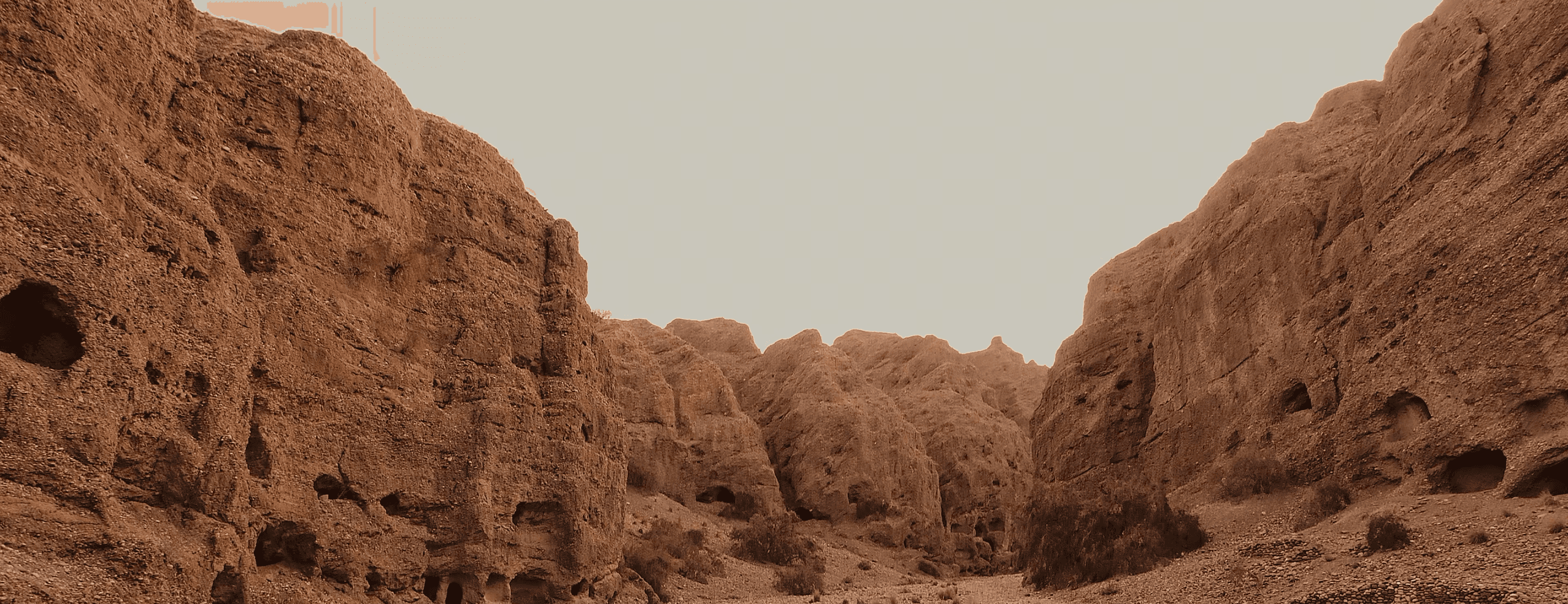
A title sequence is one of the most precise creative challenges in filmmaking. It has to function as both credits and atmosphere, establishing the emotional register of what follows without giving anything away. For a film like Durj, where tension and unease were central to the entire experience, the opening needed to feel genuinely unsettling from its first frame.
I directed and created the main title sequence, working with typography, motion, texture, pacing, and visual rhythm to build an introduction that felt aligned with the film's darker themes. The sequence was not approached as a list of names over images, but as an extension of the storytelling itself, a deliberate piece of cinema that prepared audiences for what they were about to experience. Getting the tone right at this stage mattered because everything the audience felt in those opening minutes would colour how they received the story that followed.
Building the Identity
Building a visual language across posters, key art, and a large scale social media campaign.
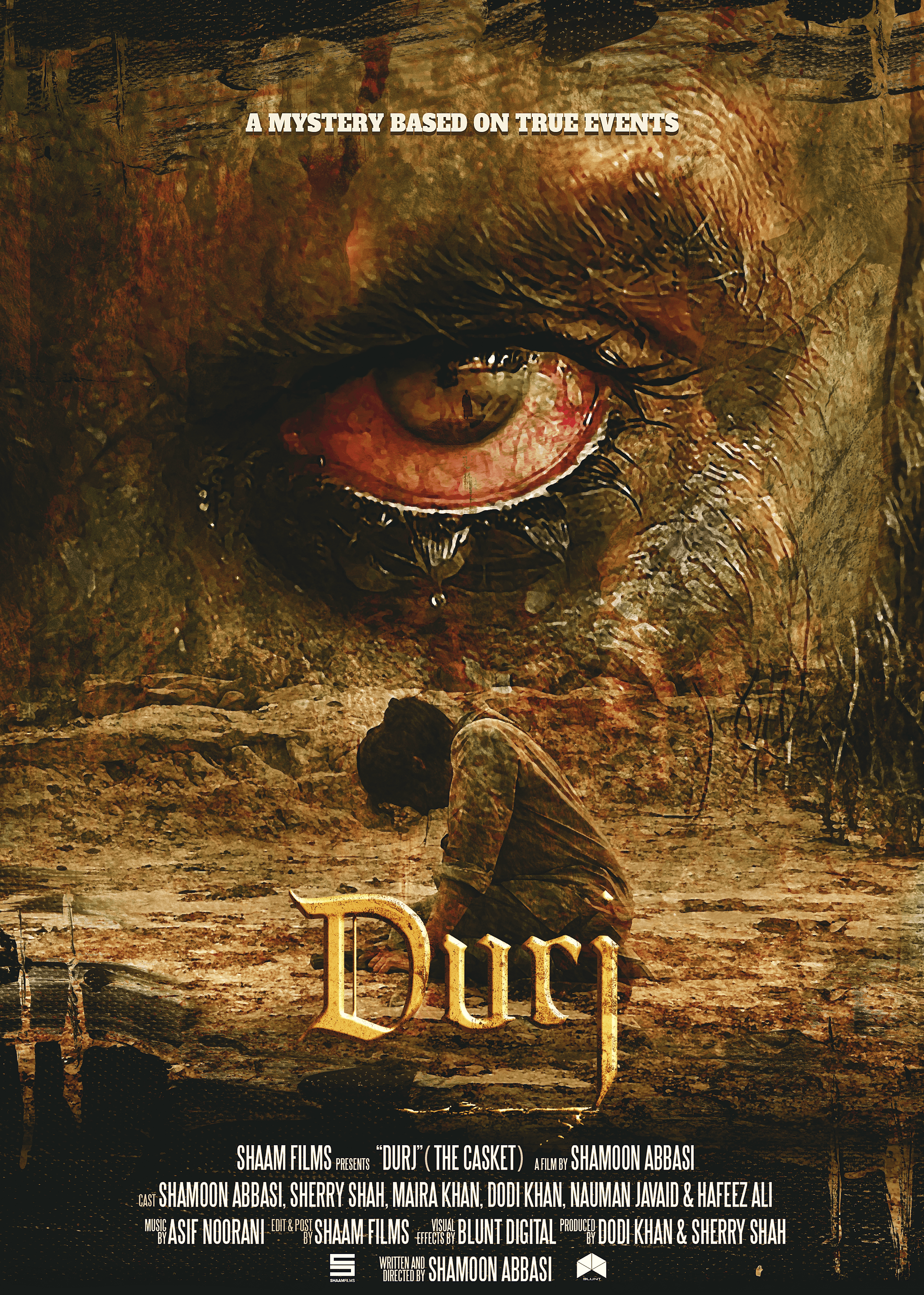
The design output for Durj was substantial. At its core were four to five theatrical posters, three of which were used in the official release across Pakistan and international markets. The posters were primarily character-driven, each built around the film's key figures, with a smaller number of thematic pieces that communicated the film's tone and subject matter more abstractly. All of them had to work as standalone pieces while feeling unmistakably part of the same film.
From those posters, a wider system was built outward. Crops and adaptations were created for social media, but the social content went well beyond simple reformatting. Over fifty unique posts were designed across the campaign, each distinct from the one before it while staying within the visual language established by the key art. Typography systems were developed specifically for the film and carried consistently across every format, ensuring that whether something appeared on a billboard or a phone screen, it felt like it belonged to Durj.
Animated title frames were also created for use across trailers, teasers, and promotional edits, bringing the visual identity into motion and giving every piece of video content a consistent branded opening. The scale of the campaign meant the identity had to be flexible enough to stretch across a large volume of work without losing its coherence, and specific enough that it could never be mistaken for any other film.



Taking the Film Beyond Borders
Preparing and delivering a Pakistani thriller for international theatrical release across multiple countries.
Durj was not simply a local release. Before it reached Pakistani cinemas, it had already been presented at Cannes and was heading toward an international theatrical rollout spanning the United States, United Kingdom, Canada, the UAE, Kuwait, Bahrain, Oman, and Qatar, with additional limited screenings in Norway and Denmark.
Getting a film into that many territories simultaneously is not a creative challenge, it is a logistical and technical one. Each market carries its own delivery requirements, exhibition standards, and distribution protocols. My involvement covered preparing the assets and deliverables required to meet those requirements across every territory, ensuring that what played in a cinema in London or Dubai was exactly what had been intended in production.
It was also about maintaining creative consistency across a release that wide. The identity, the materials, and the presentation of the film had to remain coherent regardless of which market was receiving it. For a Pakistani independent production to reach that many countries theatrically was itself significant, and being part of making that happen was one of the more distinctive aspects of the entire project.


Delivering to Cinema
Managing the technical transition from finished film to cinema-ready exhibition package.
Design and marketing work builds anticipation, but it is the DCP that actually plays in the theatre. Creating the Digital Cinema Packages for Durj meant taking responsibility for the final form of the film as audiences would experience it, ensuring that every technical specification was met, that the image and sound matched what had been intended in post-production, and that the delivery met the requirements of the exhibition venues receiving it.
This phase of the work was less visible than the creative development that preceded it, but carried significant weight. A DCP that fails or delivers incorrectly at the point of exhibition undermines everything that came before it. Getting it right required careful quality control, precise technical knowledge, and a thorough understanding of cinema delivery standards across different markets.
The Premiere Night
Seeing the entire journey through to the film's first local public screening.
The international screenings across the US, UK, and Gulf territories had been handled by Zashko Productions. But the local premiere in Pakistan was ours to manage. This was the first time the Durj team would see the film play in a Pakistani cinema, and it fell to me to make sure it happened without a single hiccup.
What made that night feel like more than just a premiere was everything that had led to it. The film had been blocked by the censor board before it ever reached a Pakistani screen. It went through its entire international release, across multiple countries and dozens of cinemas, before finally receiving clearance at home. Shamoon and I had worked closely together for well over a year, through the kind of ups and downs that only people who have been through a difficult production truly understand. There were moments that were genuinely soul crushing. The kind of setbacks that make you question whether any of it will ever come together.
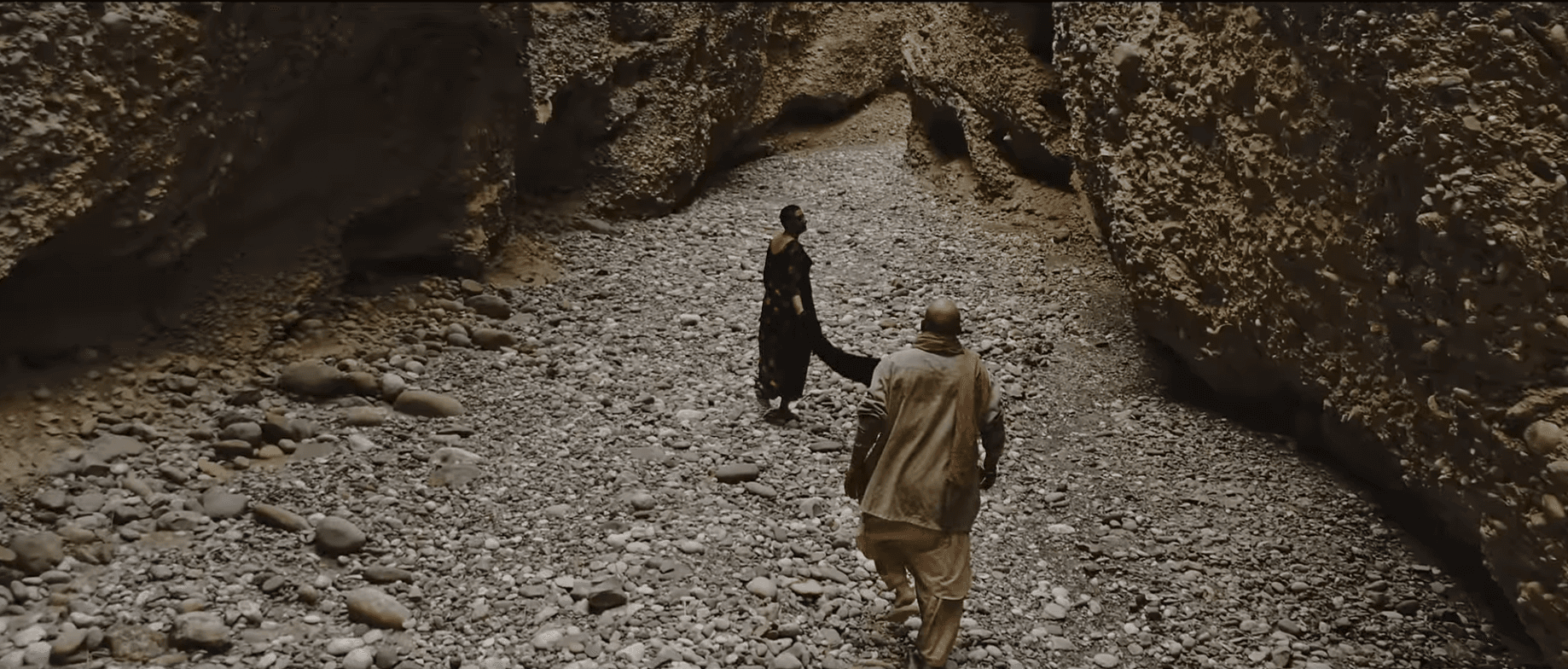
So when the night finally arrived, the tension was not just professional. It was personal for both of us. I was backstage at Raiha CineGold Plex with the projectionist, loading the DCP and running checks while the director waited outside and the press began to arrive. Years of work, a film that had fought to exist, and an audience about to see it for the first time. Nothing could go wrong.
It did not. And when the film finished, Director Shamoon Abbasi and I were sitting side by side. The audience began to clap. He was emotional. I was emotional. We hugged each other. After everything the film had been through, after every setback and every moment of doubt, it was playing in a Pakistani cinema and the people in that room were applauding it. The film had already screened internationally, but this felt different. This felt like it was finally real. That moment, I will never forget it.


The Full Circle
What directing a film's complete audience journey taught me about design, craft, and creative responsibility.
Durj was the project that most clearly showed me how much of a film's impact lives outside the film itself. The story Shamoon Abbasi told was his, and the years of work that went into making it were his and his team's long before I came on board. But how audiences first encountered it, what they felt before they sat down in the theatre, what they saw in the opening minutes of the film, how it was presented across international markets spanning the US, UK, Canada, the UAE, Kuwait, Bahrain, Oman, Qatar, Norway, and Denmark, all of that was built on creative decisions I made and work I delivered. Director Shamoon Abbasi gave me a level of creative freedom and trust that is rare. Everything from the identity to the title sequence to the international delivery was mine to shape, and knowing that the film reached audiences the way it did, partly because of the choices I made, is something I do not take lightly.
That level of responsibility across a single project sharpened my thinking about design as a discipline. Every creative decision has consequences further down the pipeline. Typography chosen for a poster needs to work in a title sequence. A colour treatment that reads well on social media needs to translate to a cinema lobby. A DCP built carefully in post needs to deliver exactly what was promised on premiere night. Thinking across all of those stages at once, rather than treating each as a separate job, is what Durj demanded and what it taught me professionally.
But the deeper lesson was not about craft. It was about what it means to invest yourself fully in something difficult and see it through to the end. Durj was a film that fought to exist. Getting it to audiences, locally and internationally, took more than skill. It took commitment through genuinely hard moments. Sitting in that cinema on premiere night, hearing the audience applaud, that was not just a professional milestone. It was a reminder of why the work matters in the first place.

Credits
Director
Shamoon Abbasi
Production
Shaam Films
Studio
Blunt Digital (now FDK Studios)
Role
Creative Director
Responsibilities
Main Title Sequence Direction & Design
Film Title Typography & Hand-Lettering
Theatrical Key Art & Poster Design
Social Media Campaign Design
Motion Graphics & Promotional Content
Animated Title Frames for Trailers & Teasers
DCP Creation & Cinema Delivery
International Distribution Support
Premiere Screening Supervision
Genre
Psychological Thriller Feature Film, Based on True Events
International Release Territories
United States, United Kingdom, Canada, UAE, Kuwait, Bahrain, Oman, Qatar, Norway, Denmark
Learn More
For complete production information, cast, crew credits, awards, and additional details about the film, please visit the official IMDb page.
More Works
©2026


Durj
Pakistan's most controversial psychological thriller, inspired by real events and released to audiences worldwide
Released
Thriller
Film
Project Overview
Durj is a Pakistani psychological thriller written and directed by Shamoon Abbasi. Based on real events of cannibalism in Bhakkar, Punjab. It became one of the most talked-about Pakistani films of its era, not only for its subject matter, but for the controversy surrounding its release. Initially denied clearance by Pakistan's censor boards, Durj was released internationally first, screening across the United States, the United Kingdom, Canada, Norway, and Denmark before eventually receiving a domestic release. The film later made its way to the 72nd Cannes Film Festival's Directors Fortnight.
Through Blunt Digital, now rebranded as FDK Studios, I led the creative and technical presentation of the film end-to-end. My involvement was not limited to a single discipline. I touched the film's visual identity, directed its opening sequence, its marketing campaign, its distribution preparation, its cinema delivery, and its premiere night. Few projects demand that breadth. This was one of them.
Visualising the Uncomfortable
Building a visual language for a film tackling subject matter Pakistani cinema had never touched before.
Durj carried an unusual creative challenge from a design perspective. The film was independently produced, operating without the infrastructure of a major studio, and it was heading toward an unusual release, internationally first, domestically contested. The subject matter was genuinely dark, grounded in real events, and unlike anything that had come before it in Pakistani cinema. The visual identity needed to reflect that without tipping into exploitation or sensationalism.
That meant every audience touchpoint had to be built from scratch and built to work across multiple markets simultaneously. The challenge was not just creating compelling design work. It was creating a unified visual system capable of carrying a film from its first promotional appearance through to its exhibition in cinemas across five countries, while maintaining consistency across formats, platforms, and cultural contexts. And it had to feel like it belonged to this film specifically, dark, psychological, grounded in something real, and unlike anything Pakistani cinema had produced before.
Directing the Title Sequence
Creating the opening experience that set the film's psychological tone before the story began.
A title sequence is one of the most precise creative challenges in filmmaking. It has to function as both credits and atmosphere, establishing the emotional register of what follows without giving anything away. For a film like Durj, where tension and unease were central to the entire experience, the opening needed to feel genuinely unsettling from its first frame.
I directed and created the main title sequence, working with typography, motion, texture, pacing, and visual rhythm to build an introduction that felt aligned with the film's darker themes. The sequence was not approached as a list of names over images, but as an extension of the storytelling itself, a deliberate piece of cinema that prepared audiences for what they were about to experience. Getting the tone right at this stage mattered because everything the audience felt in those opening minutes would colour how they received the story that followed.
Building the Identity
Building a visual language across posters, key art, and a large scale social media campaign.
The design output for Durj was substantial. At its core were four to five theatrical posters, three of which were used in the official release across Pakistan and international markets. The posters were primarily character-driven, each built around the film's key figures, with a smaller number of thematic pieces that communicated the film's tone and subject matter more abstractly. All of them had to work as standalone pieces while feeling unmistakably part of the same film.
From those posters, a wider system was built outward. Crops and adaptations were created for social media, but the social content went well beyond simple reformatting. Over fifty unique posts were designed across the campaign, each distinct from the one before it while staying within the visual language established by the key art. Typography systems were developed specifically for the film and carried consistently across every format, ensuring that whether something appeared on a billboard or a phone screen, it felt like it belonged to Durj.
Animated title frames were also created for use across trailers, teasers, and promotional edits, bringing the visual identity into motion and giving every piece of video content a consistent branded opening. The scale of the campaign meant the identity had to be flexible enough to stretch across a large volume of work without losing its coherence, and specific enough that it could never be mistaken for any other film.
Taking the Film Beyond Borders
Preparing and delivering a Pakistani thriller for international theatrical release across multiple countries.
Durj was not simply a local release. Before it reached Pakistani cinemas, it had already been presented at Cannes and was heading toward an international theatrical rollout spanning the United States, United Kingdom, Canada, the UAE, Kuwait, Bahrain, Oman, and Qatar, with additional limited screenings in Norway and Denmark.
Getting a film into that many territories simultaneously is not a creative challenge, it is a logistical and technical one. Each market carries its own delivery requirements, exhibition standards, and distribution protocols. My involvement covered preparing the assets and deliverables required to meet those requirements across every territory, ensuring that what played in a cinema in London or Dubai was exactly what had been intended in production.
It was also about maintaining creative consistency across a release that wide. The identity, the materials, and the presentation of the film had to remain coherent regardless of which market was receiving it. For a Pakistani independent production to reach that many countries theatrically was itself significant, and being part of making that happen was one of the more distinctive aspects of the entire project.

Delivering to Cinema
Managing the technical transition from finished film to cinema-ready exhibition package.
Design and marketing work builds anticipation, but it is the DCP that actually plays in the theatre. Creating the Digital Cinema Packages for Durj meant taking responsibility for the final form of the film as audiences would experience it, ensuring that every technical specification was met, that the image and sound matched what had been intended in post-production, and that the delivery met the requirements of the exhibition venues receiving it.
This phase of the work was less visible than the creative development that preceded it, but carried significant weight. A DCP that fails or delivers incorrectly at the point of exhibition undermines everything that came before it. Getting it right required careful quality control, precise technical knowledge, and a thorough understanding of cinema delivery standards across different markets.
The Premiere Night
Seeing the entire journey through to the film's first local public screening.
The international screenings across the US, UK, and Gulf territories had been handled by Zashko Productions. But the local premiere in Pakistan was ours to manage. This was the first time the Durj team would see the film play in a Pakistani cinema, and it fell to me to make sure it happened without a single hiccup.
What made that night feel like more than just a premiere was everything that had led to it. The film had been blocked by the censor board before it ever reached a Pakistani screen. It went through its entire international release, across multiple countries and dozens of cinemas, before finally receiving clearance at home. Shamoon and I had worked closely together for well over a year, through the kind of ups and downs that only people who have been through a difficult production truly understand. There were moments that were genuinely soul crushing. The kind of setbacks that make you question whether any of it will ever come together.
So when the night finally arrived, the tension was not just professional. It was personal for both of us. I was backstage at Raiha CineGold Plex with the projectionist, loading the DCP and running checks while the director waited outside and the press began to arrive. Years of work, a film that had fought to exist, and an audience about to see it for the first time. Nothing could go wrong.
It did not. And when the film finished, Director Shamoon Abbasi and I were sitting side by side. The audience began to clap. He was emotional. I was emotional. We hugged each other. After everything the film had been through, after every setback and every moment of doubt, it was playing in a Pakistani cinema and the people in that room were applauding it. The film had already screened internationally, but this felt different. This felt like it was finally real. That moment, I will never forget it.
The Full Circle
What directing a film's complete audience journey taught me about design, craft, and creative responsibility.
Durj was the project that most clearly showed me how much of a film's impact lives outside the film itself. The story Shamoon Abbasi told was his, and the years of work that went into making it were his and his team's long before I came on board. But how audiences first encountered it, what they felt before they sat down in the theatre, what they saw in the opening minutes of the film, how it was presented across international markets spanning the US, UK, Canada, the UAE, Kuwait, Bahrain, Oman, Qatar, Norway, and Denmark, all of that was built on creative decisions I made and work I delivered. Director Shamoon Abbasi gave me a level of creative freedom and trust that is rare. Everything from the identity to the title sequence to the international delivery was mine to shape, and knowing that the film reached audiences the way it did, partly because of the choices I made, is something I do not take lightly.
That level of responsibility across a single project sharpened my thinking about design as a discipline. Every creative decision has consequences further down the pipeline. Typography chosen for a poster needs to work in a title sequence. A colour treatment that reads well on social media needs to translate to a cinema lobby. A DCP built carefully in post needs to deliver exactly what was promised on premiere night. Thinking across all of those stages at once, rather than treating each as a separate job, is what Durj demanded and what it taught me professionally.
But the deeper lesson was not about craft. It was about what it means to invest yourself fully in something difficult and see it through to the end. Durj was a film that fought to exist. Getting it to audiences, locally and internationally, took more than skill. It took commitment through genuinely hard moments. Sitting in that cinema on premiere night, hearing the audience applaud, that was not just a professional milestone. It was a reminder of why the work matters in the first place.
Credits
Director
Shamoon Abbasi
Production
Shaam Films
Studio
Blunt Digital (now FDK Studios)
Role
Creative Director
Responsibilities
Main Title Sequence Direction & Design
Film Title Typography & Hand-Lettering
Theatrical Key Art & Poster Design
Social Media Campaign Design
Motion Graphics & Promotional Content
Animated Title Frames for Trailers & Teasers
DCP Creation & Cinema Delivery
International Distribution Support
Premiere Screening Supervision
Genre
Psychological Thriller Feature Film, Based on True Events
International Release Territories
United States, United Kingdom, Canada, UAE, Kuwait, Bahrain, Oman, Qatar, Norway, Denmark
Learn More
For complete production information, cast, crew credits, awards, and additional details about the film, please visit the official IMDb page.
More Works
©2026

Durj
Pakistan's most controversial psychological thriller, inspired by real events and released to audiences worldwide
Released
Thriller
Film
Project Overview
Durj is a Pakistani psychological thriller written and directed by Shamoon Abbasi. Based on real events of cannibalism in Bhakkar, Punjab. It became one of the most talked-about Pakistani films of its era, not only for its subject matter, but for the controversy surrounding its release. Initially denied clearance by Pakistan's censor boards, Durj was released internationally first, screening across the United States, the United Kingdom, Canada, Norway, and Denmark before eventually receiving a domestic release. The film later made its way to the 72nd Cannes Film Festival's Directors Fortnight.
Through Blunt Digital, now rebranded as FDK Studios, I led the creative and technical presentation of the film end-to-end. My involvement was not limited to a single discipline. I touched the film's visual identity, directed its opening sequence, its marketing campaign, its distribution preparation, its cinema delivery, and its premiere night. Few projects demand that breadth. This was one of them.
Visualising the Uncomfortable
Building a visual language for a film tackling subject matter Pakistani cinema had never touched before.
Durj carried an unusual creative challenge from a design perspective. The film was independently produced, operating without the infrastructure of a major studio, and it was heading toward an unusual release, internationally first, domestically contested. The subject matter was genuinely dark, grounded in real events, and unlike anything that had come before it in Pakistani cinema. The visual identity needed to reflect that without tipping into exploitation or sensationalism.
That meant every audience touchpoint had to be built from scratch and built to work across multiple markets simultaneously. The challenge was not just creating compelling design work. It was creating a unified visual system capable of carrying a film from its first promotional appearance through to its exhibition in cinemas across five countries, while maintaining consistency across formats, platforms, and cultural contexts. And it had to feel like it belonged to this film specifically, dark, psychological, grounded in something real, and unlike anything Pakistani cinema had produced before.
Directing the Title Sequence
Creating the opening experience that set the film's psychological tone before the story began.
A title sequence is one of the most precise creative challenges in filmmaking. It has to function as both credits and atmosphere, establishing the emotional register of what follows without giving anything away. For a film like Durj, where tension and unease were central to the entire experience, the opening needed to feel genuinely unsettling from its first frame.
I directed and created the main title sequence, working with typography, motion, texture, pacing, and visual rhythm to build an introduction that felt aligned with the film's darker themes. The sequence was not approached as a list of names over images, but as an extension of the storytelling itself, a deliberate piece of cinema that prepared audiences for what they were about to experience. Getting the tone right at this stage mattered because everything the audience felt in those opening minutes would colour how they received the story that followed.
Building the Identity
Building a visual language across posters, key art, and a large scale social media campaign.
The design output for Durj was substantial. At its core were four to five theatrical posters, three of which were used in the official release across Pakistan and international markets. The posters were primarily character-driven, each built around the film's key figures, with a smaller number of thematic pieces that communicated the film's tone and subject matter more abstractly. All of them had to work as standalone pieces while feeling unmistakably part of the same film.
From those posters, a wider system was built outward. Crops and adaptations were created for social media, but the social content went well beyond simple reformatting. Over fifty unique posts were designed across the campaign, each distinct from the one before it while staying within the visual language established by the key art. Typography systems were developed specifically for the film and carried consistently across every format, ensuring that whether something appeared on a billboard or a phone screen, it felt like it belonged to Durj.
Animated title frames were also created for use across trailers, teasers, and promotional edits, bringing the visual identity into motion and giving every piece of video content a consistent branded opening. The scale of the campaign meant the identity had to be flexible enough to stretch across a large volume of work without losing its coherence, and specific enough that it could never be mistaken for any other film.

Taking the Film Beyond Borders
Preparing and delivering a Pakistani thriller for international theatrical release across multiple countries.
Durj was not simply a local release. Before it reached Pakistani cinemas, it had already been presented at Cannes and was heading toward an international theatrical rollout spanning the United States, United Kingdom, Canada, the UAE, Kuwait, Bahrain, Oman, and Qatar, with additional limited screenings in Norway and Denmark.
Getting a film into that many territories simultaneously is not a creative challenge, it is a logistical and technical one. Each market carries its own delivery requirements, exhibition standards, and distribution protocols. My involvement covered preparing the assets and deliverables required to meet those requirements across every territory, ensuring that what played in a cinema in London or Dubai was exactly what had been intended in production.
It was also about maintaining creative consistency across a release that wide. The identity, the materials, and the presentation of the film had to remain coherent regardless of which market was receiving it. For a Pakistani independent production to reach that many countries theatrically was itself significant, and being part of making that happen was one of the more distinctive aspects of the entire project.


Delivering to Cinema
Managing the technical transition from finished film to cinema-ready exhibition package.
Design and marketing work builds anticipation, but it is the DCP that actually plays in the theatre. Creating the Digital Cinema Packages for Durj meant taking responsibility for the final form of the film as audiences would experience it, ensuring that every technical specification was met, that the image and sound matched what had been intended in post-production, and that the delivery met the requirements of the exhibition venues receiving it.
This phase of the work was less visible than the creative development that preceded it, but carried significant weight. A DCP that fails or delivers incorrectly at the point of exhibition undermines everything that came before it. Getting it right required careful quality control, precise technical knowledge, and a thorough understanding of cinema delivery standards across different markets.
The Premiere Night
Seeing the entire journey through to the film's first local public screening.
The international screenings across the US, UK, and Gulf territories had been handled by Zashko Productions. But the local premiere in Pakistan was ours to manage. This was the first time the Durj team would see the film play in a Pakistani cinema, and it fell to me to make sure it happened without a single hiccup.
What made that night feel like more than just a premiere was everything that had led to it. The film had been blocked by the censor board before it ever reached a Pakistani screen. It went through its entire international release, across multiple countries and dozens of cinemas, before finally receiving clearance at home. Shamoon and I had worked closely together for well over a year, through the kind of ups and downs that only people who have been through a difficult production truly understand. There were moments that were genuinely soul crushing. The kind of setbacks that make you question whether any of it will ever come together.
So when the night finally arrived, the tension was not just professional. It was personal for both of us. I was backstage at Raiha CineGold Plex with the projectionist, loading the DCP and running checks while the director waited outside and the press began to arrive. Years of work, a film that had fought to exist, and an audience about to see it for the first time. Nothing could go wrong.
It did not. And when the film finished, Director Shamoon Abbasi and I were sitting side by side. The audience began to clap. He was emotional. I was emotional. We hugged each other. After everything the film had been through, after every setback and every moment of doubt, it was playing in a Pakistani cinema and the people in that room were applauding it. The film had already screened internationally, but this felt different. This felt like it was finally real. That moment, I will never forget it.
The Full Circle
What directing a film's complete audience journey taught me about design, craft, and creative responsibility.
Durj was the project that most clearly showed me how much of a film's impact lives outside the film itself. The story Shamoon Abbasi told was his, and the years of work that went into making it were his and his team's long before I came on board. But how audiences first encountered it, what they felt before they sat down in the theatre, what they saw in the opening minutes of the film, how it was presented across international markets spanning the US, UK, Canada, the UAE, Kuwait, Bahrain, Oman, Qatar, Norway, and Denmark, all of that was built on creative decisions I made and work I delivered. Director Shamoon Abbasi gave me a level of creative freedom and trust that is rare. Everything from the identity to the title sequence to the international delivery was mine to shape, and knowing that the film reached audiences the way it did, partly because of the choices I made, is something I do not take lightly.
That level of responsibility across a single project sharpened my thinking about design as a discipline. Every creative decision has consequences further down the pipeline. Typography chosen for a poster needs to work in a title sequence. A colour treatment that reads well on social media needs to translate to a cinema lobby. A DCP built carefully in post needs to deliver exactly what was promised on premiere night. Thinking across all of those stages at once, rather than treating each as a separate job, is what Durj demanded and what it taught me professionally.
But the deeper lesson was not about craft. It was about what it means to invest yourself fully in something difficult and see it through to the end. Durj was a film that fought to exist. Getting it to audiences, locally and internationally, took more than skill. It took commitment through genuinely hard moments. Sitting in that cinema on premiere night, hearing the audience applaud, that was not just a professional milestone. It was a reminder of why the work matters in the first place.
Credits
Director
Shamoon Abbasi
Production
Shaam Films
Studio
Blunt Digital (now FDK Studios)
Role
Creative Director
Responsibilities
Main Title Sequence Direction & Design
Film Title Typography & Hand-Lettering
Theatrical Key Art & Poster Design
Social Media Campaign Design
Motion Graphics & Promotional Content
Animated Title Frames for Trailers & Teasers
DCP Creation & Cinema Delivery
International Distribution Support
Premiere Screening Supervision
Genre
Psychological Thriller Feature Film, Based on True Events
International Release Territories
United States, United Kingdom, Canada, UAE, Kuwait, Bahrain, Oman, Qatar, Norway, Denmark
Learn More
For complete production information, cast, crew credits, awards, and additional details about the film, please visit the official IMDb page.
More Works
©2026